What Is Chronic Venous Insufficiency?
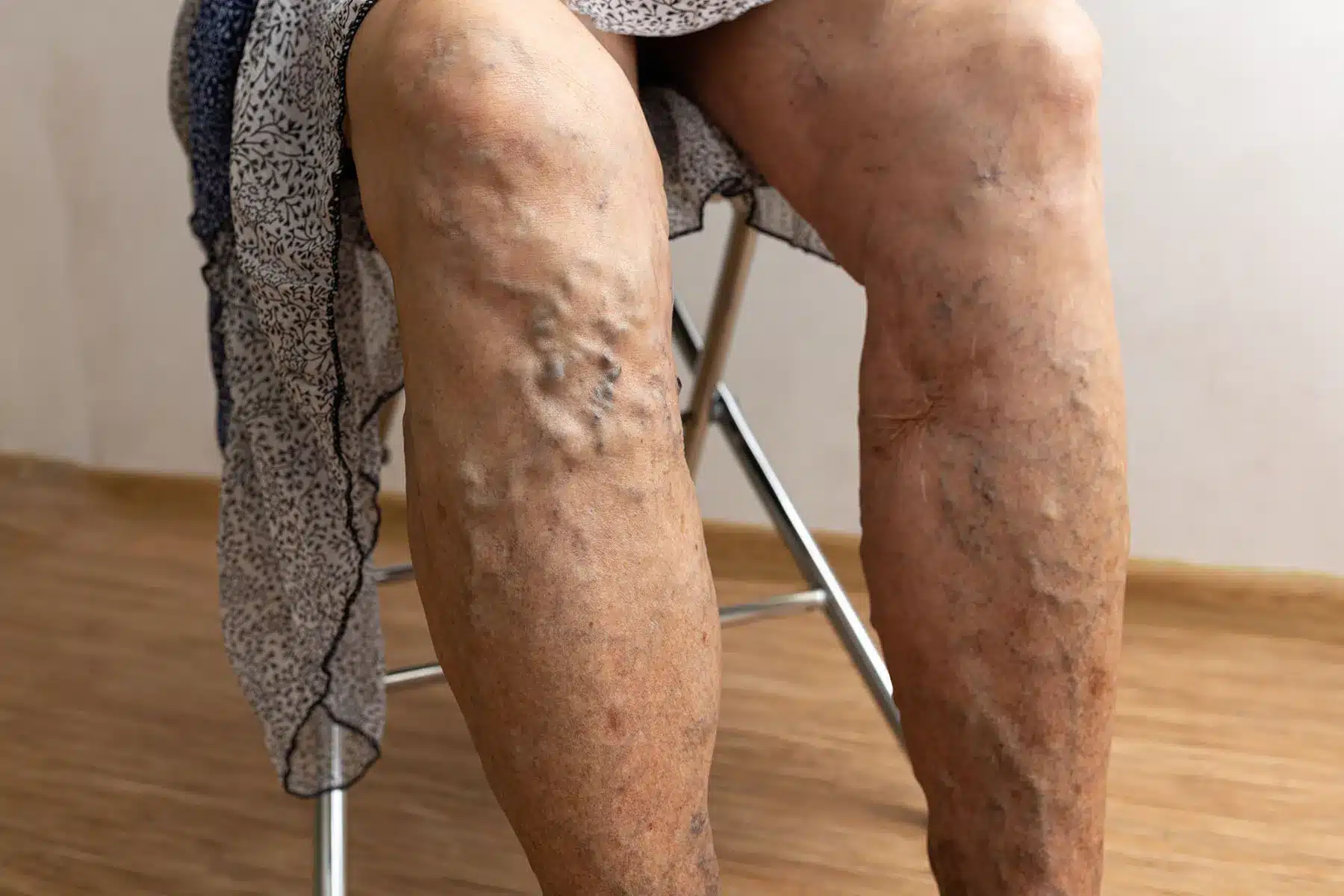
Chronic venous insufficiency (CVI) results when valves in your veins start to fail, causing backflow leading to a variety of symptoms:
- Fluid retention (edema) in the ankles and lower legs
- Aches and tiredness in your legs
- Overnight leg cramps
- Itchy, flaking skin
- Restless legs
- Skin discoloration or texture changes
- Varicose and spider veins
- Open sores called ulcers on the ankles and legs
It is estimated that 35-40 million adult Americans suffer from significant superficial venous insufficiency, or venous reflux disease. The good news is that this condition can be treated with noninvasive vs minimally invasive treatment options.
Potential Treatment Options for CVI
Chronic Venous Insufficiency (CVI) can be treated using a number of different strategies. These typically range from noninvasive techniques to minimally invasive procedures.
- Compression Therapy: This is often the first line of treatment. It involves wearing compression stockings to improve blood flow in your legs. These stockings apply pressure to your lower legs, helping to maintain blood flow and reduce discomfort and swelling.
- Medication: Certain medications may be used to improve blood flow through your veins. These can include diuretics, anticoagulants, and pentoxifylline.
- Minimally Invasive Procedures: In some cases, you may require a procedure to treat the problem. This can include treatments like sclerotherapy, endovenous laser therapy (EVLT), radiofrequency ablation (RFA), or vein stripping.
It is important to discuss potential treatment options with your healthcare provider to determine the best course of action based on your individual needs and circumstances.
Our Specialists Are Ready to Assist You
If you find these symptoms relating to you, please don’t hesitate to make an appointment with one of our offices in Central Florida specializing in venous insufficiency for further evaluation, diagnosis, and treatment. Call +1 352-633-1966 today.